What Counts as a Non-Monetary Reward?
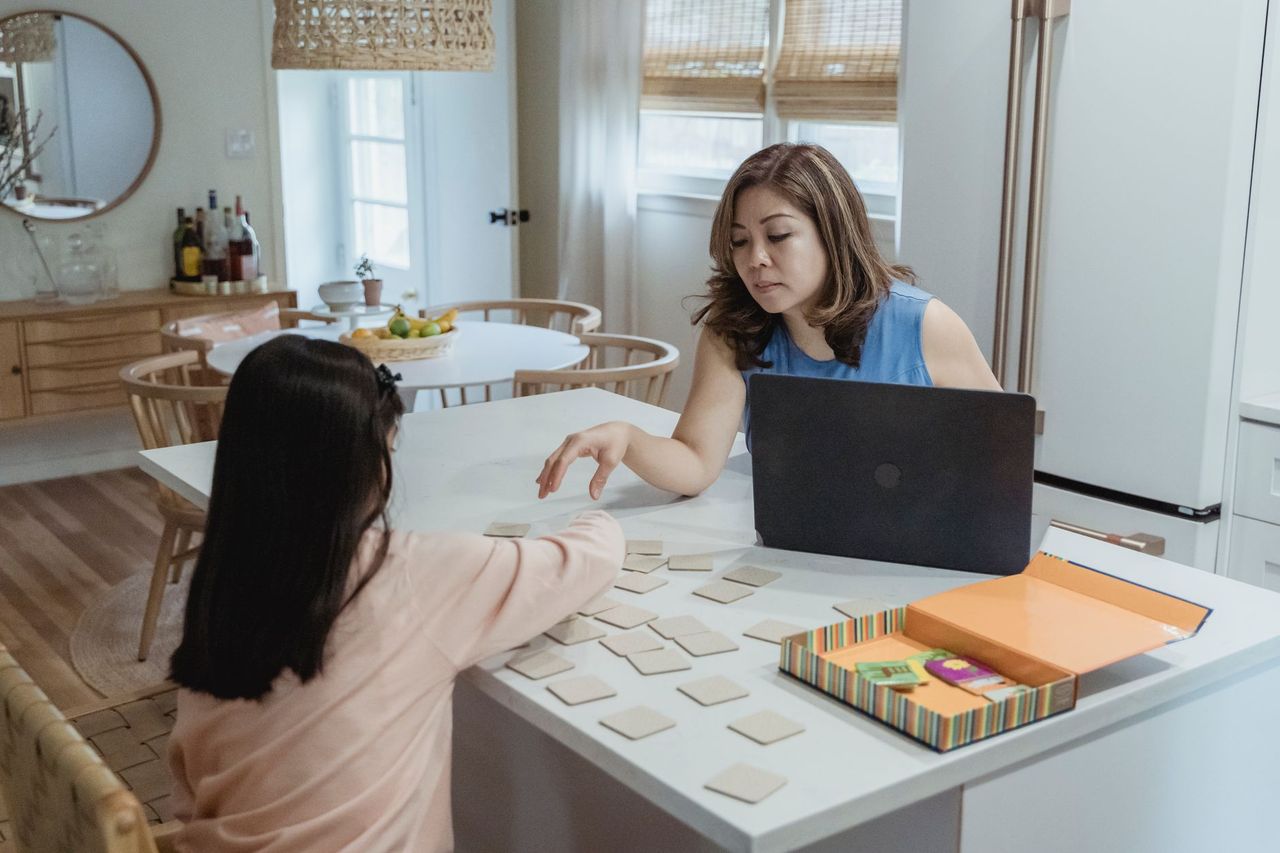
A non-monetary reward is a privilege, chosen activity, or shared moment offered after a child completes an agreed responsibility. It could mean choosing the evening story, selecting the family game, listening to preferred music during an allowed activity, or having a short one-to-one moment with a parent. The reward has value because it gives the child some choice or attention; it does not need to involve money or a purchase.
It helps to separate three things. A daily right is part of ordinary family life, such as eating dinner, sleeping, attending school, or receiving care. A family contribution is a responsibility that belongs to living together, such as putting away personal belongings. A chosen privilege is an optional benefit that can follow a particular chore or extra effort. Keeping these categories distinct makes the system easier to understand and prevents essential needs from becoming bargaining tools.
This approach can sit alongside an allowance system because the two arrangements serve different purposes. If your family is also deciding how to divide chores and pocket money, see Allowance and Chores: How to Split the List You Already Have. The aim here is narrower: to offer a practical, non-cash response after a responsibility has been completed.
Four Families of Rewards to Offer
A small menu is usually easier to maintain than a new promise after every chore. Grouping ideas by type also helps you choose rewards that match your available time and your child’s interests.
Four types of non-monetary rewards, with examples and useful limits.
| Reward type | Examples | Useful limit |
|---|---|---|
| Guided privileges | Choose music, dessert, or the order of an approved activity | Keep the choice within existing family rules |
| Chosen time | Read longer, play a game, or have parent-child time | Set the end time before the activity begins |
| Family activities | Choose a game, walk, suitable film, or recipe | Use only activities the family can realistically provide |
| Valued responsibilities | Choose a preferred chore or help prepare a family activity | Do not use this to remove every regular contribution |
Guided privileges work well when the child wants influence rather than a material item. The choice can be small: deciding whether the family plays a board game before or after dinner, selecting the music during a permitted activity, or choosing between two approved desserts. The parent keeps the boundaries; the child makes the decision within them.
Chosen time includes reading for a little longer within the family’s bedtime rule, playing a short game, or having focused time with a parent. These rewards are meaningful, but they require adult availability. Label them clearly in the menu so a child knows that they may need to be scheduled rather than delivered immediately.
Family activities can include choosing a walk, a recipe, a game, or an age-appropriate film already accepted by the household. Valued responsibilities give a child a positive form of participation, such as choosing which family meal to help prepare or selecting a task they prefer from two suitable options. They should complement, rather than replace, ordinary contributions.
Non-Monetary Reward Ideas for Ages 5 to 7

Children in this age range generally benefit from rewards that are concrete, immediate, and easy to explain. Link the reward to one specific chore, such as putting toys in a basket, matching socks, placing napkins on the table, or helping clear a safe part of the table. If you are still choosing suitable tasks, 10 Chores for 5 to 7 Year Olds That Actually Work can help you start with an age-appropriate list.
- Choose the bedtime story from two or three parent-approved options.
- Choose a short game to play with a parent.
- Select the music for a tidy-up or drawing activity.
- Choose which of two suitable outfits to wear the next day.
- Help choose the fruit or vegetables included in a family snack.
- Have a brief, planned moment of special attention with a parent.
The reward should follow soon after the chore whenever possible. Young children may struggle to connect a task completed much earlier with a privilege offered later. Avoid options that make already difficult transitions harder. Extra time before bed, an unplanned screen activity, or a reward that interrupts a meal may create more friction than encouragement. A short game after tidying can be more manageable than an open-ended promise to play later.
Non-Monetary Reward Ideas for Ages 8 to 11
Older children can usually manage a broader choice, provided the choices remain specific. A menu might include a short option that can happen today and a longer option that must be planned. For example, a child could choose the family game after dinner or select the recipe for a weekend meal. This gives room for preference without requiring a new negotiation each time.
- Choose the family board game or card game for a defined session.
- Select a family walk, indoor activity, or suitable film from approved options.
- Plan the next shared snack or help choose a recipe.
- Choose the order of two permitted activities during free time.
- Have a defined one-to-one activity with a parent.
- Choose a preferred household task from two tasks that still need doing.
A reward menu for this age group can use simple labels such as “quick choice” and “planned choice.” A quick choice might take place the same day and require little preparation. A planned choice might need a parent’s time or depend on the family schedule. If the planned option cannot happen on the promised day, set a replacement rule in advance: move it to the next suitable time, or choose another option of similar size. The child should not have to argue for an exception.
Visual tracking can be useful when several chores or choices are involved. Reward Chart: The Method That Works (+ Free Printable) explains how to make responsibilities visible without turning the chart into a complicated points system. A chart is optional; the important part is that the child knows what was agreed and what can be chosen.
Non-Monetary Reward Ideas for Ages 12 to 14
Children approaching the teenage years often value control over their free time and the chance to make a real contribution. Rewards can therefore focus on autonomy within clear family limits: choosing when to complete an approved leisure activity, planning part of a family outing, selecting music for a shared space, or choosing a recipe to prepare with an adult.
- Choose a suitable family activity or help plan when it will happen.
- Select a recipe and take responsibility for one part of preparing it.
- Choose the music for a shared activity within the family’s rules.
- Arrange a defined period of leisure after essential responsibilities are complete.
- Propose a reasonable reward for consideration before the chore begins.
- Choose between two appropriate household tasks, including one they prefer.
At this age, invite the child to suggest an option, but retain the right to approve it. A proposed reward is workable when it fits the family’s rules, does not undermine sleep or school, and can be provided without making another child’s routine unfair. “More freedom” needs a precise meaning: it might be choosing the order of free-time activities, not ignoring a bedtime or cancelling an essential responsibility.
Some chores should remain regular contributions, especially tasks connected to personal belongings or shared living spaces. If every responsibility becomes a transaction, the system can become difficult to sustain and may invite larger demands after each task. A reward is best used selectively, for a particular effort, a new responsibility, or a completed task that the family has explicitly placed on the menu. For ideas about responsibilities for older children, see Chores for Teenagers Aged 13 and Up: A Practical Responsibility Plan.
How to Set Up the System Without Daily Negotiations
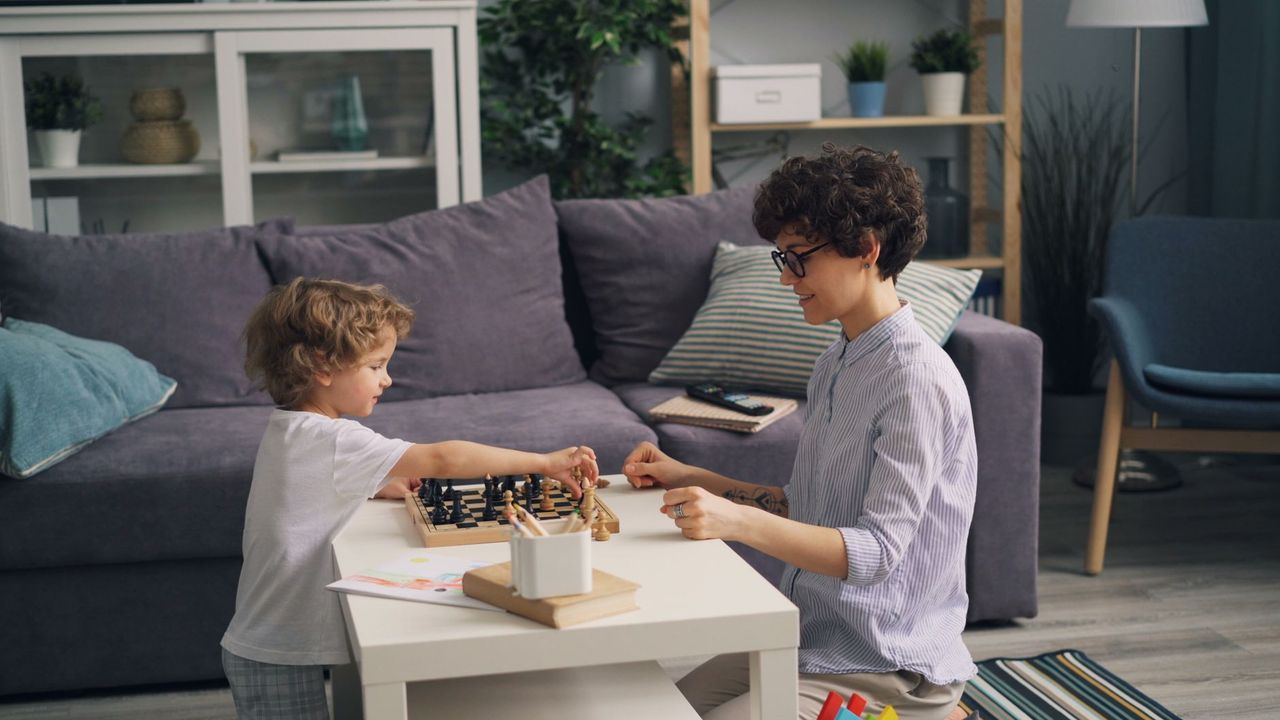
Begin with one familiar chore and a clear standard. Describe what “done” means in observable terms: toys are in the basket, dishes are placed by the sink, or laundry is put in the designated place. Decide when the reward can be selected and whether it happens immediately or at a scheduled time. If the underlying task is unclear, a reward system will not resolve the confusion. Chore Chart by Age, 3 to 14 (+ Free Printable) offers a way to match expectations to the child’s age.
- Choose one or two chores that are already understood.
- Write the expected result in simple language.
- Prepare a menu of two or three approved rewards.
- Mark which rewards need a parent’s time or advance planning.
- Explain the choice before the chore begins.
- Deliver the agreed reward without reopening the terms.
- Review the arrangement after a short trial and remove options that cause repeated disputes.
A useful rule can be stated plainly: “When this chore is finished to the agreed standard, you may choose one option from this menu.” Avoid changing the reward because the child asks for something larger afterward. If the child refuses the available options, the task and the reward remain separate; there is no need to invent a new offer in the moment.
Set a short review point rather than treating the first version as permanent. Notice whether the reward is realistic for the family, whether the child understands the choices, and whether the arrangement creates more discussion than it removes. Change the menu when school hours, interests, family schedules, or the child’s level of independence changes. A Weekly Chore Schedule: Making It Last Past Week Two can help connect the menu to a routine that adults can maintain.
The system should support growing responsibility, not replace it. As children become more capable, gradually transfer the reminder and planning work to them. Teaching Kids Responsibility: Hand Over the Reminder explores how to move from repeated parental prompts toward greater ownership.
Try It Tonight
Choose one chore your child already knows and one reward you can genuinely provide today. Offer no more than two or three options, and give each one a clear limit: one story, one game, one defined activity, or one scheduled period. Explain the arrangement before the chore starts, then honour it without renegotiating the principle. Afterward, note which options felt natural and which ones created delay or disagreement. Over time, those observations become your family’s own practical reward menu.
Key takeaways
- Choose rewards that fit the family routine rather than disrupting it.
- Keep sleep, school, care, food, and safety outside the reward system.
- Match the reward to the child’s age, the effort involved, and available adult time.
- Use a limited menu instead of negotiating a new privilege after every chore.
- Review the system regularly and remove rewards that are difficult to deliver.
Frequently Asked Questions
What non-monetary rewards can you give a child for a chore?
Offer a small, approved privilege or activity: choosing a story, selecting a family game, deciding between two suitable snacks, choosing music for an allowed activity, or having a defined moment with a parent. The best option is one the child understands and the family can provide without disrupting essential routines.
How can you reward a chore without giving pocket money?
Agree on a chore, the expected result, and a short menu of privileges before the task begins. After completion, let the child choose from that menu. A reward may be immediate, such as choosing a game, or scheduled, such as selecting a weekend family activity. Pocket money does not need to be part of this arrangement.
Should rewards be different for children of different ages?
Yes, the principle can remain the same while the options change. Younger children usually need immediate, simple choices. Children aged 8 to 11 can manage planned activities and a wider menu. From 12 to 14, rewards can offer more autonomy, provided they remain compatible with sleep, school, safety, and shared family rules.
Can screen time be a reward for a household task?
It can be, if screen use already fits the family’s rules and the limit is defined in advance. State the duration, the permitted content, and the stopping point before the chore starts. Do not use essential sleep, schoolwork, or basic care as a reward or penalty. If screen time consistently causes arguments at the end, choose a different privilege.
What should you do if a child asks for a bigger reward after every chore?
Return calmly to the agreed menu. Explain that the reward is chosen from the options presented before the chore, and that a different arrangement can be discussed at the planned review point. Avoid creating a larger offer in response to pressure. If the menu no longer feels suitable, change it deliberately rather than negotiating in the moment.
How can you avoid children doing chores only to obtain a privilege?
Keep some responsibilities as ordinary contributions to family life, without a reward attached to every completion. Use privileges selectively for extra effort, a newly learned responsibility, or a specific task you are practising. Talk about the contribution itself, give clear feedback, and gradually reduce external rewards as the routine becomes familiar. This keeps the system supportive without making every household task a transaction.
Frequently asked questions
What non-monetary rewards can you give a child for a chore?
Offer a small, approved privilege or activity, such as choosing a story, selecting a family game, deciding between two suitable snacks, choosing music for an allowed activity, or having a defined moment with a parent.
How can you reward a chore without giving pocket money?
Agree on the chore, the expected result, and a short menu of privileges before the task begins. After completion, let the child choose one option from that menu, either immediately or at a planned time.
Should rewards be different for children of different ages?
Yes. Younger children usually need immediate, simple choices; children aged 8 to 11 can manage planned activities; and children aged 12 to 14 can be offered more autonomy within clear family rules.
Can screen time be a reward for a household task?
It can be, provided screen use already fits the family rules and the duration, content, and stopping point are clear before the chore begins. Keep sleep, schoolwork, and essential care outside the reward system.
What should you do if a child asks for a bigger reward after every chore?
Return to the menu agreed before the chore. Explain that a new arrangement can be discussed at the review point, rather than creating a larger reward during a negotiation.
How can you avoid children doing chores only to obtain a privilege?
Keep some responsibilities as ordinary contributions without a reward attached to every completion. Use privileges selectively, give feedback on the contribution, and reduce external rewards as routines become familiar.